
THE KARKLOOF
A valley shaped by generations

Beyond Howick lies the Karkloof, a distinctive landscape of working farms, forestry, grasslands, wetlands and indigenous forest.
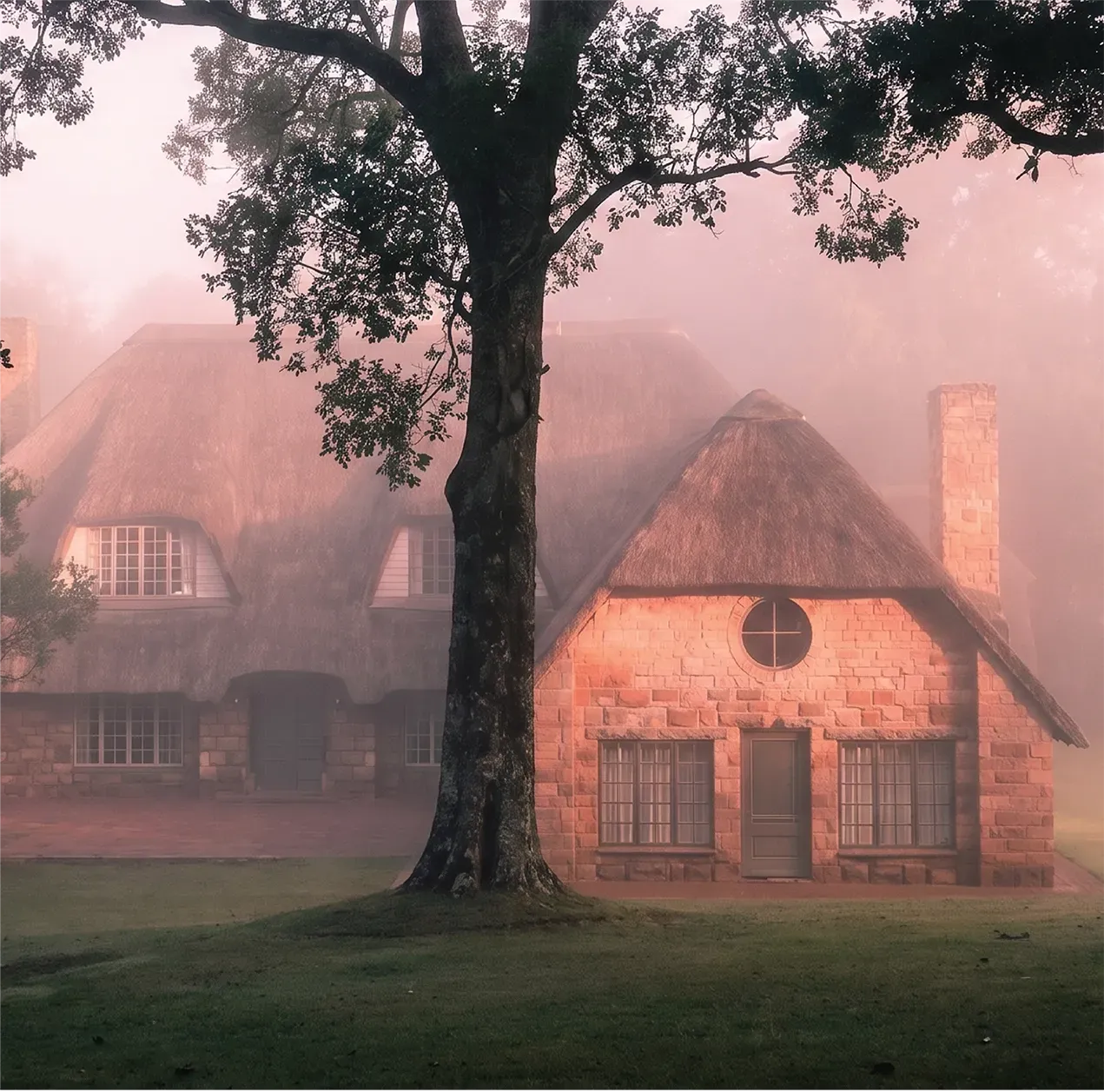
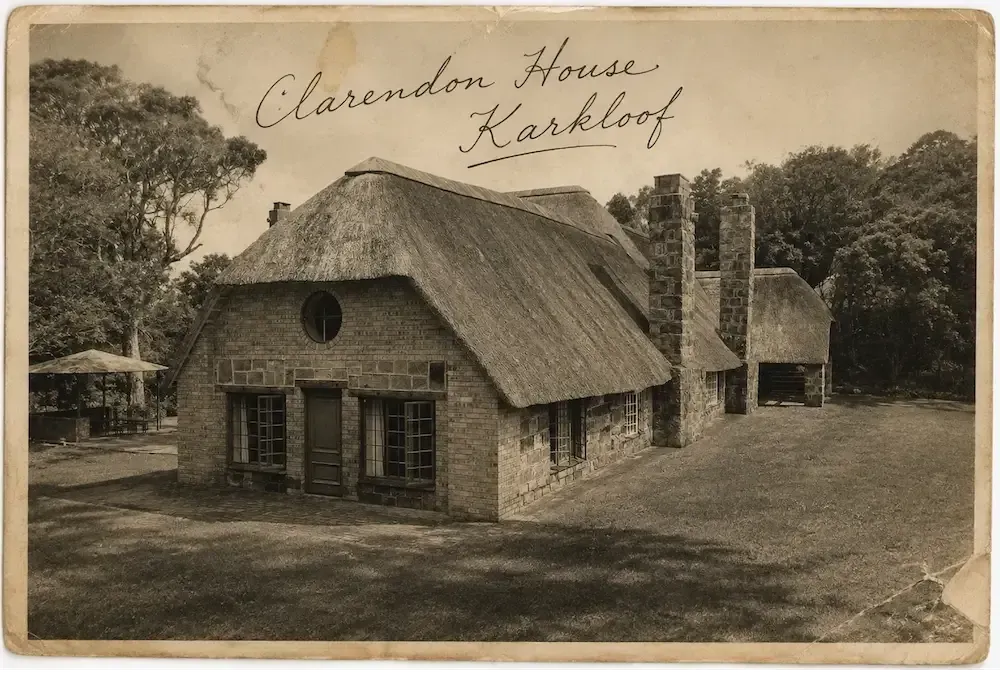
Its history has been shaped by the people who settled, farmed and worked these hills. Early homesteads were established across a relatively isolated valley, while agriculture, timber and later commercial forestry became important parts of life in the Karkloof.
A WORKING LANDSCAPE
Farming and forestry changed the valley considerably. Roads were built, plantations established and generations of families made their living from the land.
That history remains visible today in old homesteads and farm buildings, forestry tracks, plantations and the patchwork of cultivated land and natural habitat that characterises the Karkloof.
It has never been simply wilderness. It is a working landscape with a long relationship between people and the environment.
A CHANGING RELATIONSHIP WITH THE LAND
Over time, the value placed on the Karkloof's remaining natural areas began to change.
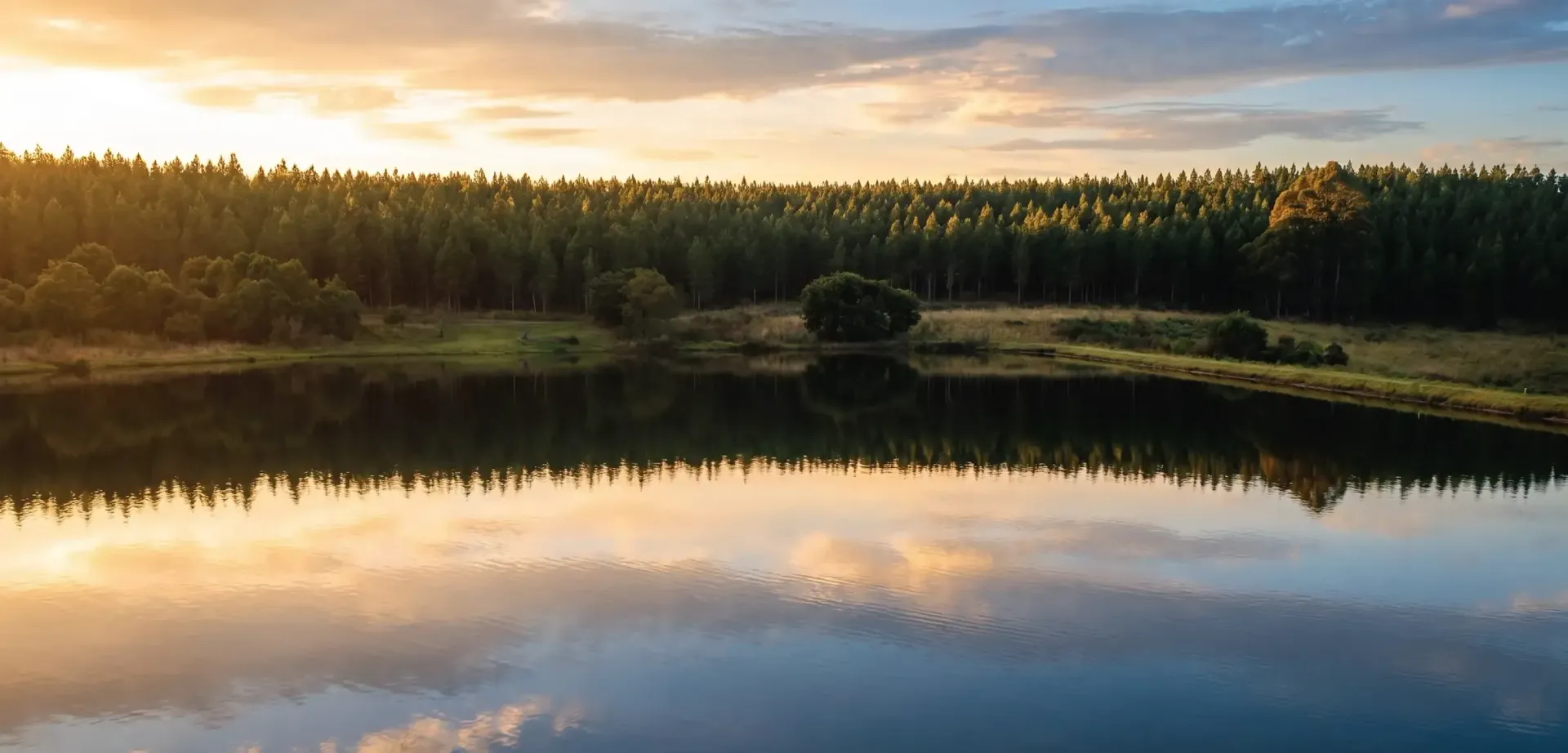
Indigenous forests, wetlands and grasslands once viewed largely in terms of their practical value became increasingly recognised for their ecological importance. Farmers, foresters, landowners and conservationists have since played an important role in protecting these habitats alongside productive land.
Today, conservation, agriculture and forestry continue to exist side by side, an unusual relationship that has become part of the character of the Karkloof.
THE KARKLOOF TODAY
The valley remains a rural community, but its old farm roads, forests and waterways now attract another generation of visitors.
People come to cycle, walk, fish, watch birds and explore a part of the Midlands that has retained much of its rural character.
THE FOREST
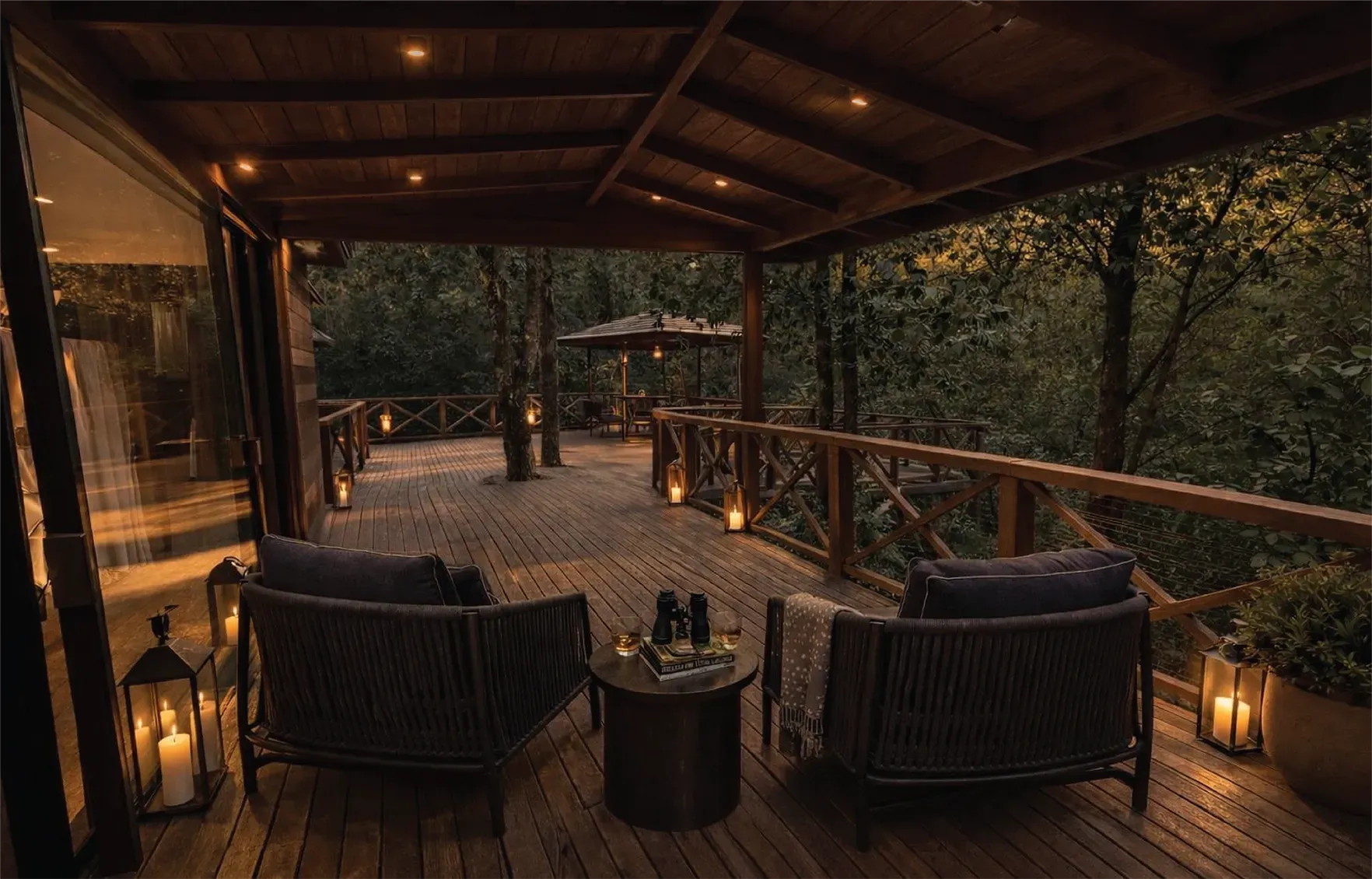
The indigenous forests of the Karkloof are among the great natural treasures of the KwaZulu-Natal Midlands. At Ehlatini, they form part of everyday life — surrounding the houses, following the waterways and creating habitat for an extraordinary diversity of species.
AMONG THE
YELLOWWOODS
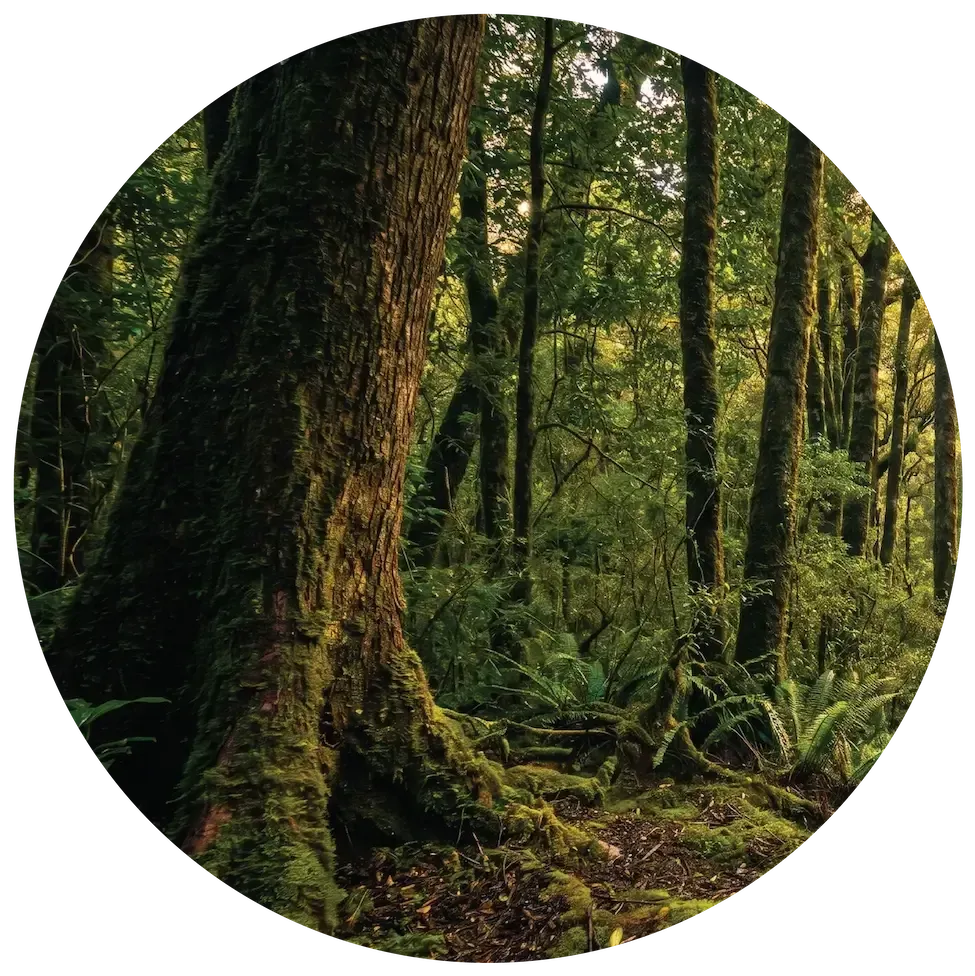
Three species of Yellowood occur here, alongside Black Stinkwood, Cape Ironwood, Lemonwood, Assegai and many other indigenous trees.
Some have been growing for generations. Beneath them, younger trees compete for light while fallen timber, fungi and leaf litter return nutrients to the forest floor. It is a slow cycle of growth, decay and renewal that continues largely unnoticed.
LIFE BENEATH
THE CANOPY
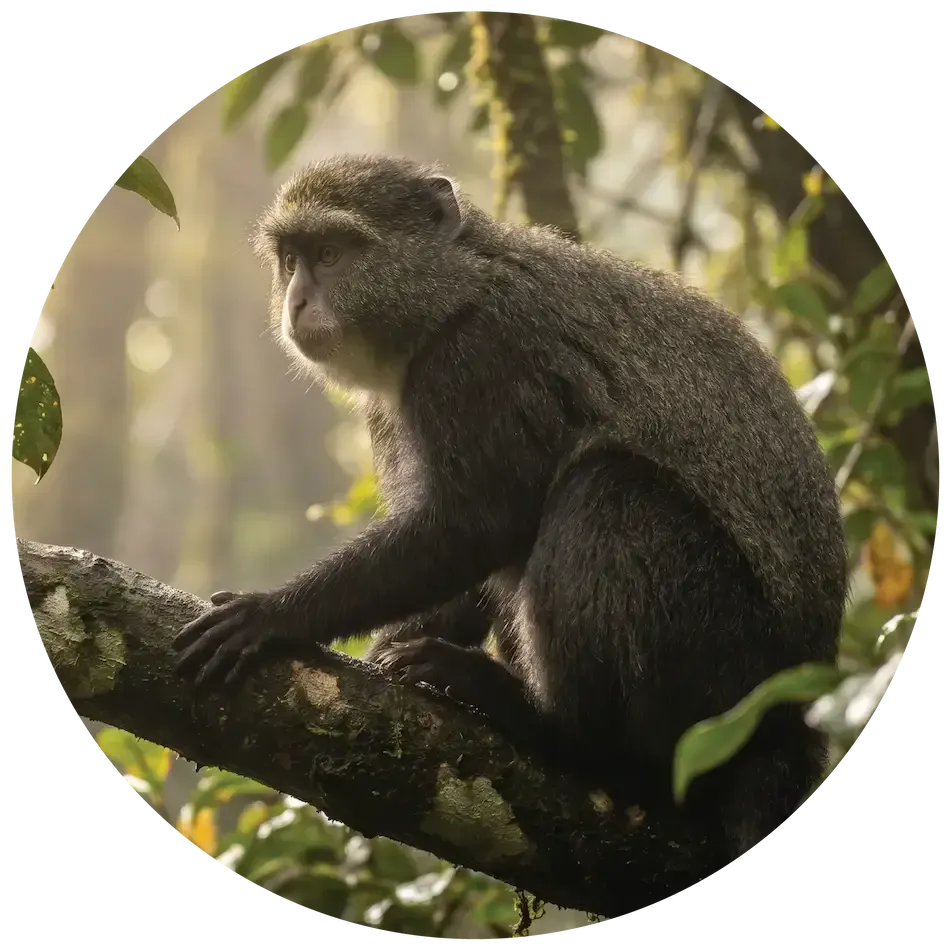
The forest supports a remarkable community of wildlife, from Samango monkeys and bushbuck to insects, frogs and an exceptional variety of forest birds.
Among its best-known residents is the endangered Cape Parrot, a species closely associated with South Africa's remaining mistbelt forests and the mature trees on which it depends.

PROTECTING
WHAT REMAINS
The forests of the Karkloof have survived logging, agriculture and generations of change to the surrounding landscape.
Their future depends on protecting what remains, restoring what has been disturbed and, importantly, giving the forest the time and space to regenerate naturally.
At Ehlatini, we are fortunate to be
custodians of a small part of that story.